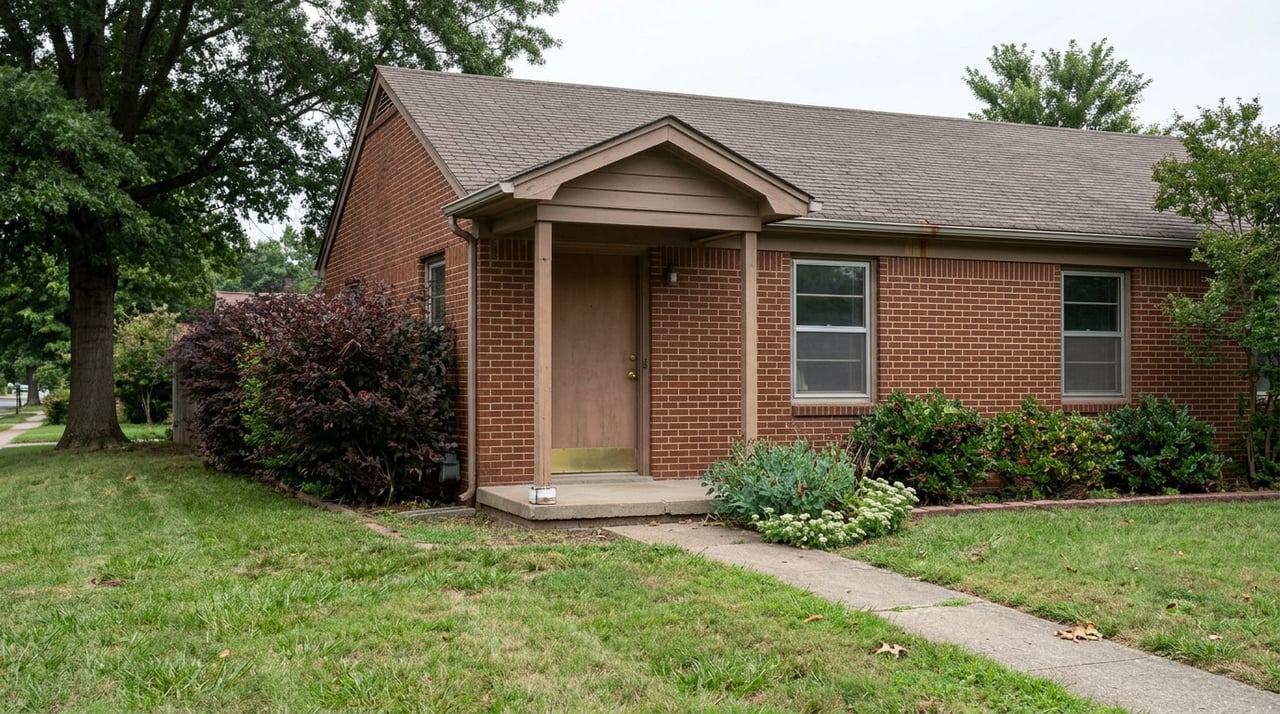
A citywide median is an average, and averages hide whatever they're built from. As of May 2026, market data put Calvert City's median home sale price at $199,631, down 2 percent from a year earlier. That single number gets treated like a temperature reading for the whole town. It isn't. It's a blend of two housing markets that sit inside the same city limits and behave nothing alike: homes near the Calvert City Industrial Complex, and homes closer to Kentucky Lake. Recent federal news about one of that complex's largest plants is a good reason to stop averaging the two together.
Two Miles That Split One City
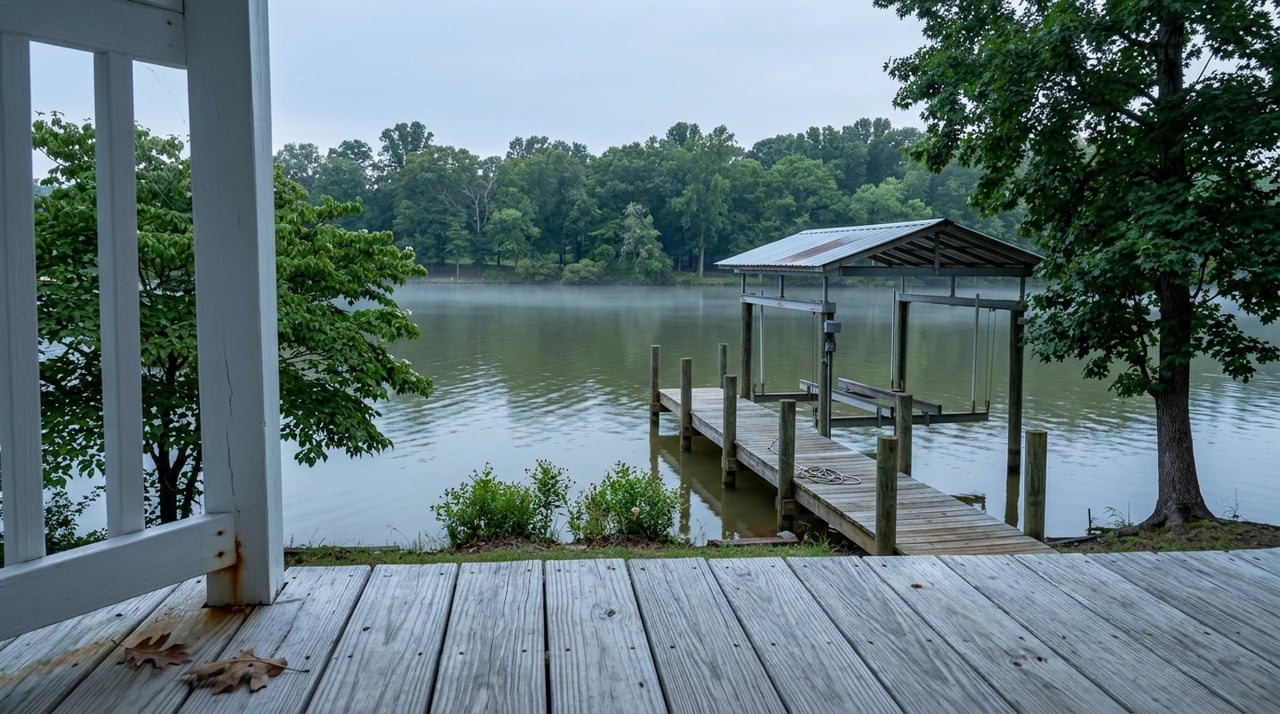
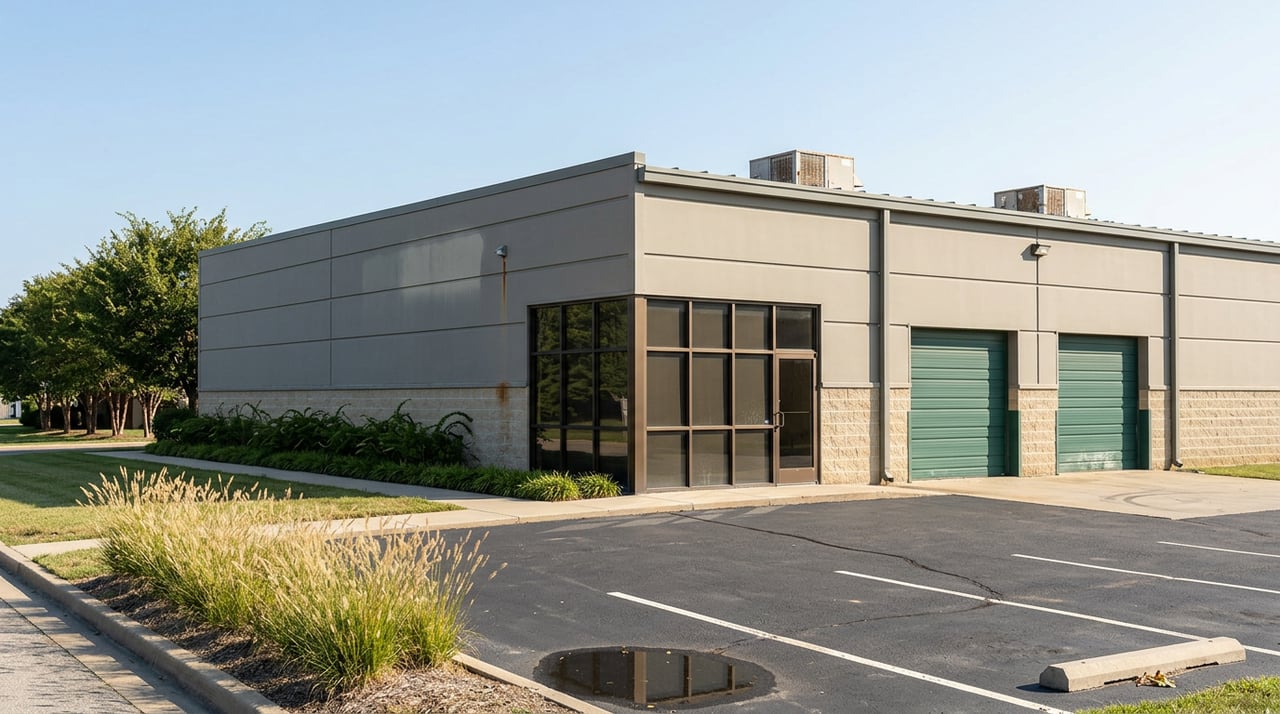
Calvert City sits on the south bank of the Tennessee River in northern Marshall County, with Kentucky Dam and Kentucky Lake extending from its southeastern edge. The city's northern half runs along the river and holds several major chemical and metallurgical plants, including Westlake Vinyls, Arkema, Ashland, and Cymetech, which together are among the region's largest employers. Move a couple of miles south, and the industrial frontage gives way to residential streets, subdivisions like Kingswood and Camelot, and eventually the boat ramps and marinas that make Kentucky Lake one of the region's most visited recreation spots.
That geography matters more than square footage in a lot of Calvert City pricing conversations, and it's easy to miss if you're comparing homes purely by bedroom count and lot size pulled from a portal search. A buyer who treats the whole city as one market will misread both ends of it: overpaying near the plants because the comps looked similar on paper, or underbidding near the lake because the citywide median made the asking price look high.
The News That Just Reset the Clock
In late July 2026, the federal government granted Westlake Vinyls in Calvert City a two-year extension on a rule requiring reduced emissions of six hazardous air pollutants, including ethylene dichloride, chloroprene, and benzene. The rule, finalized under the previous administration, would have required the plant to install new monitoring and pollution controls sooner. The extension pushes that timeline back and holds the facility to a 2006 standard in the meantime.
Sarah Buckley, a senior attorney with the Natural Resources Defense Council's litigation team, put the practical effect plainly in comments to public radio station WKMS:
"The short story is: Exempted facilities are allowed to pollute more than non-exempted facilities. And what they are polluting, what they are emitting, is the most hazardous toxic air pollutants regulated under the Clean Air Act."
None of this is new information about whether the plant exists or what it produces. What's new is the timing. A federal decision that keeps Westlake's compliance deadline further out is the kind of local news that resurfaces every year or two, and each time it does, it's a reminder to buyers and sellers on the north side of town that this is an active, ongoing regulatory story rather than a settled one.
What the 2024 Study Actually Measured
The current news cycle traces back to a joint air monitoring study the EPA and the Kentucky Division for Air Quality completed in January 2024, using data collected at three sites around Calvert City between October 2020 and December 2021, including one near Calvert City Elementary. The study attributed 96 percent of the ethylene dichloride detected near the industrial complex to Westlake Vinyls, making it, according to EPA data cited in that study, the largest single reported source of that chemical in the country. The agency's report also found that exposure levels over a lifetime were associated with an elevated cancer risk, while noting that short-term measured concentrations were not expected to cause immediate health effects.
Enforcement has followed the monitoring. A 2010 federal consent decree required Westlake to pay a fine and invest $110 million in equipment upgrades at its Calvert City and Louisiana facilities. More recently, EPA compliance officials told residents at a February 2024 community meeting that the company had paid two additional fines in the prior five years, one for $1 million tied to flare operations and another for $800,000 tied to benzene and vinyl chloride compliance.
Calvert City's mayor, Gene Colburn, has been candid about the limits of local authority over any of it. As he told a regional newspaper covering the July 2026 extension:
"I don't really know quite how that affects the health effects in Calvert, but I'm sure they'll comply."
That's a fair summary of where the city government stands. Calvert City doesn't regulate the plant. The EPA and the state do. What the city government can do, and has done, is stay visible in the process, which keeps this story in front of residents and, by extension, in front of anyone comparing homes across town.
Reading Calvert City as Two Markets, Not One
The North Side
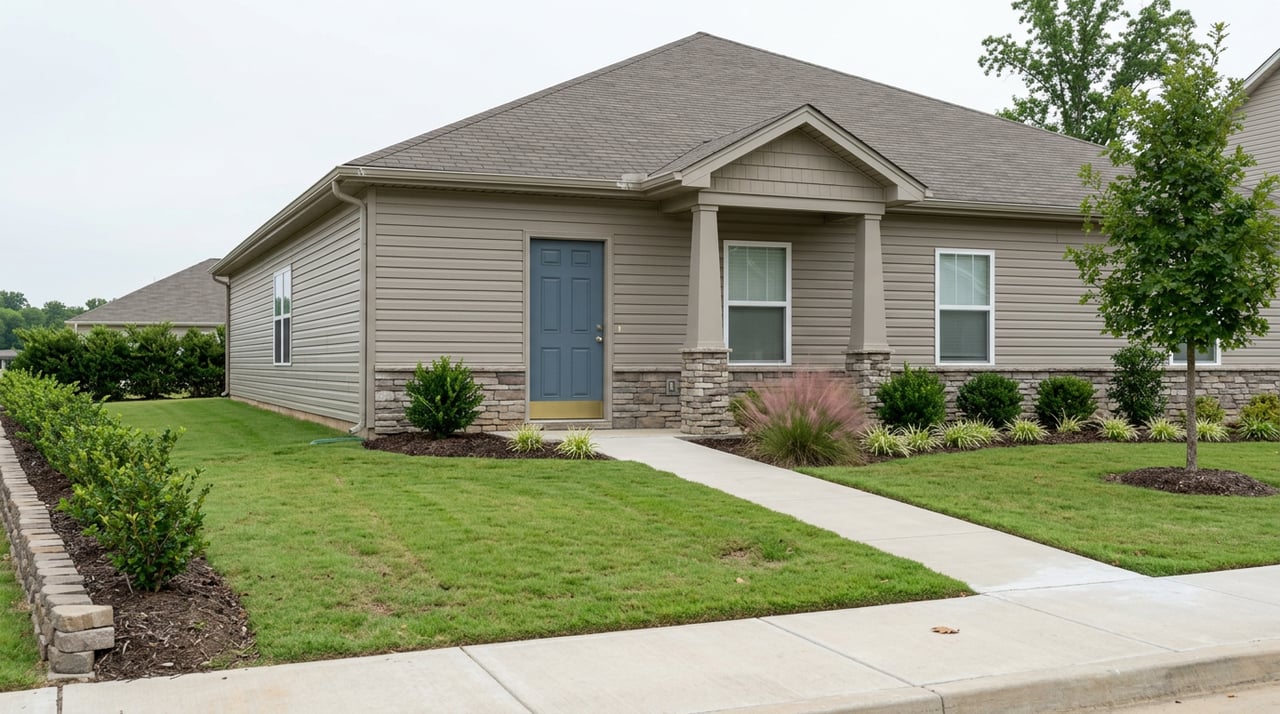
Homes closer to the industrial parkway tend to price at the affordable end of Calvert City's range. A neighborhood-level home value tracker puts the city's least expensive pockets in the northeastern part of town, closest to the plants, and its most expensive pockets toward the south. That pattern lines up with what you'd expect from proximity to heavy industry, though it isn't the only factor. Older housing stock, smaller lots, and less turnover in some of these neighborhoods also pull prices down independent of anything happening at the plant fence line.
The South Side
Homes closer to Kentucky Lake carry the opposite pattern. Newer construction, larger lots, and recreational access support asking prices well above the citywide median, and demand here isn't limited to full-time residents. Local buyers and lake-house purchasers who split time between Calvert City and elsewhere both compete for this stretch of inventory, which keeps it more resilient to citywide swings than the industrial-adjacent side of town.
Put those two halves together and you get a median that describes neither one accurately. That's the trap. A falling citywide number can mean the north side is softening while the south side holds steady, or it can mean both sides are moving, just not by the same amount. Without segmenting the data by location, you can't tell which is true.
What This Means If You're Buying
If you're comparing homes across Calvert City, don't anchor to the citywide median at all. Ask where a specific listing sits relative to the industrial parkway versus the lake, and pull comps only from that same side of town. If a home sits within a mile or two of the plants, it's worth asking your lender and inspector directly about any environmental review requirements tied to the loan program you're using, since standards vary by lender and by loan type. This isn't a legal or health determination on our part. It's a due diligence question worth asking before your inspection contingency runs out, the same way you'd ask about flood zone status or a septic system's age.
What This Means If You're Selling
If you're listing a home near the industrial complex, resist the temptation to price off a countywide or citywide average that includes lakefront sales. An appraisal that treats your home's location as a neutral input will overstate value, and a buyer's own lender-ordered appraisal will likely correct that gap anyway, which can stall a deal late in the process. A location-adjusted valuation up front, one that accounts for proximity to industrial land use the same way it would account for a busy road or a rail line, gives you a number that holds up through underwriting rather than one that has to be renegotiated after inspection.
This is the kind of segmentation that separates a general market read from an appraisal-grade one. Sirk & Company has built its practice on exactly that distinction, combining brokerage work with certified valuation experience across Western Kentucky's commercial and residential markets, including the kind of location-sensitive analysis a divided market like Calvert City actually requires. If you're weighing a purchase or a listing anywhere in Calvert City, or want a clearer read on how your specific block compares to the rest of town, our Calvert City neighborhood page is a good place to start, and our team is glad to walk through what your property's location is actually telling the market. Contact Us.